What you learn in an hour
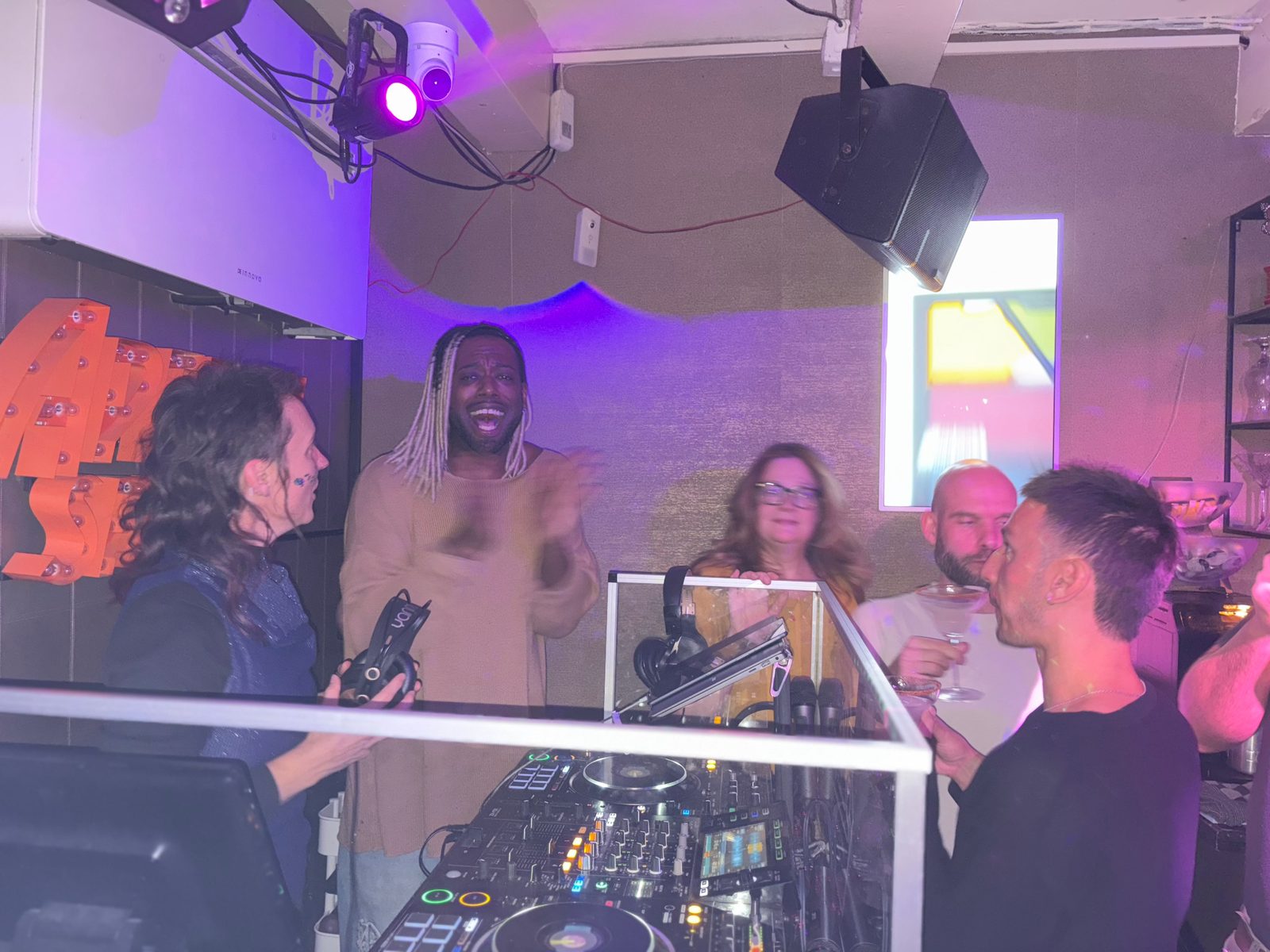
Your instructor starts with the equipment: what each channel does, how the crossfader and EQ shape sound, and what the waveform on the screen is actually telling you. Then you learn to count music in bars and phrases, which is the single skill that separates a mix that lands from one that stumbles.
From there it is practical. Cueing a track, matching tempo, using the low-pass and high-pass filters to hand energy from one record to the next, and choosing where in the phrase to make the switch. Finally you learn the thing no software can do for you: reading a room and deciding what should come next.